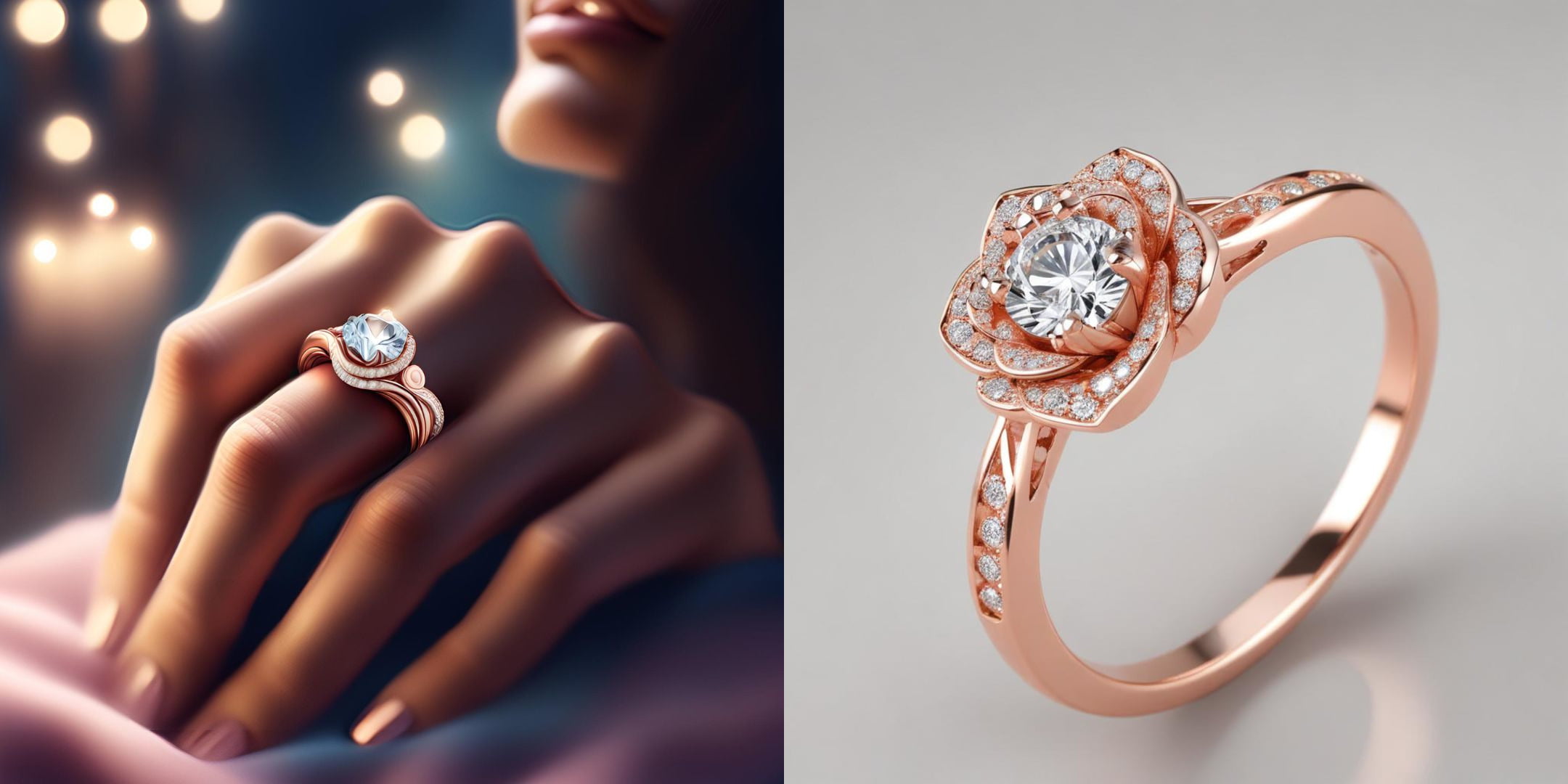
Rose Gold Engagement Rings: A Complete Buyer’s Guide
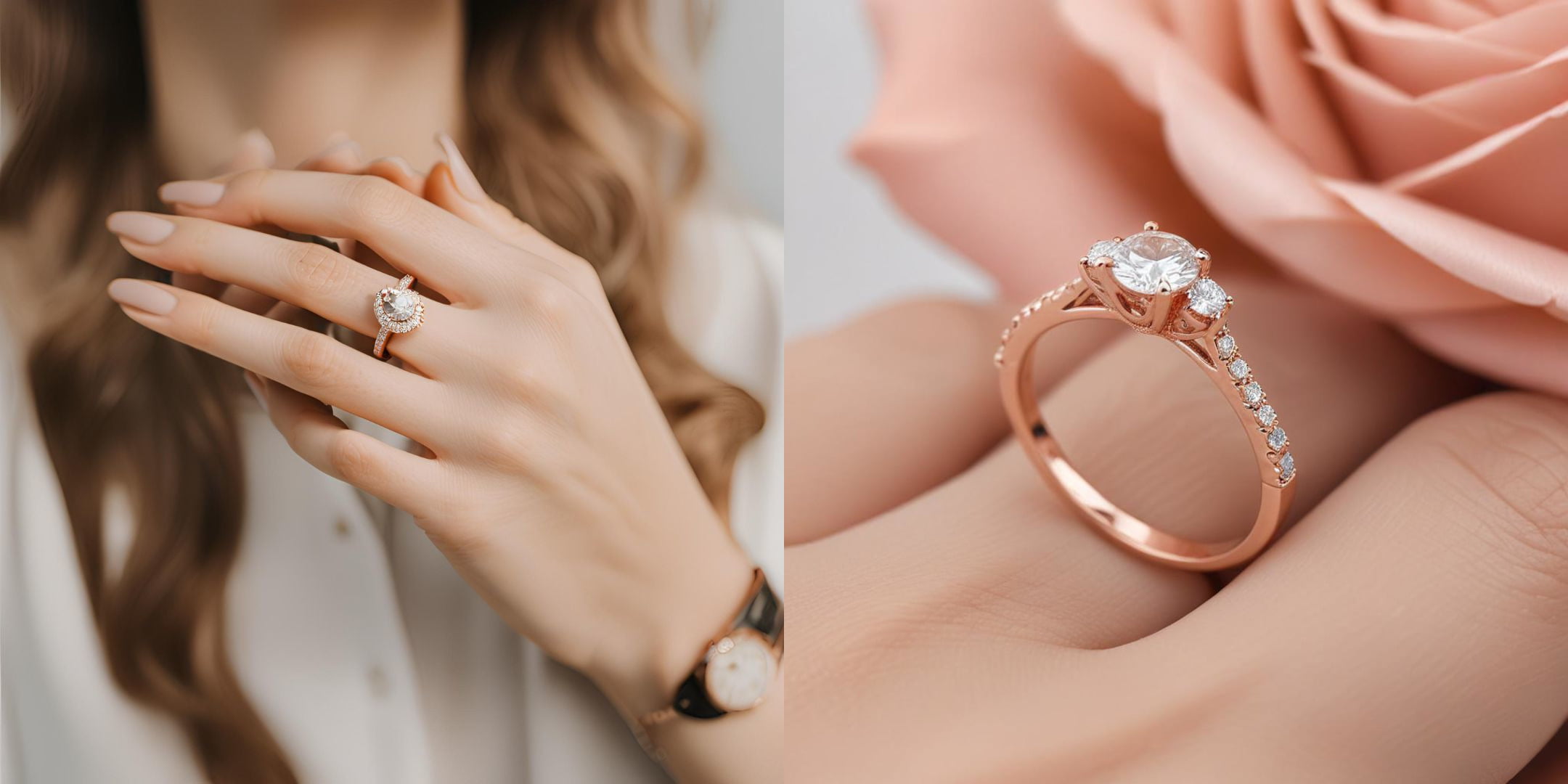
Rose Gold Engagement Rings: A Complete Buyer’s Guide
Table of Contents
Rose gold has become one of the most consistently popular choices for engagement rings — and for good reason. Its warm, pinkish tone is flattering across a wide range of skin tones, it pairs beautifully with both diamonds and colored gemstones, and it has a romantic, slightly vintage quality that sets it apart from white or yellow gold.
Here’s what to know before you choose one.
What rose gold actually is
Rose gold isn’t a naturally occurring metal — it’s an alloy, which means it’s gold mixed with other metals to achieve its color and strength. The characteristic pink hue comes from copper: the more copper in the mix, the deeper the rose-pink color.
The most common rose gold for engagement rings is 18K, which means 75% pure gold and 25% copper alloy. 14K rose gold has slightly more copper, giving it a slightly deeper pink and making it a little more durable for everyday wear. 9K and 10K rose gold are more affordable but look noticeably less warm and rich in color.
Why rose gold works well for engagement rings
Flattering on most skin tones. The warm pink undertone of rose gold complements both cool and warm complexions in a way that white gold and platinum don’t always achieve.
Enhances stone color. Rose gold makes white diamonds look warmer and more romantic. It also works particularly well with pink sapphires, morganite, champagne diamonds, and earthy-toned gemstones that would look cold against white metal.
Durable for daily wear. The copper content that gives rose gold its color also makes it harder and more scratch-resistant than yellow or white gold at the same karat. This is a genuine practical advantage for a ring worn every day.
Unique without being unconventional. Rose gold reads as distinctive and personal without the risk of being so unusual that it dates quickly or doesn’t suit changing tastes.
Popular styles in rose gold
Solitaire settings — a single diamond or gemstone in a simple four or six-prong setting — are the most timeless choice and let the metal color do the visual work without competing with the stone.
Halo settings — a center stone surrounded by smaller diamonds — look particularly striking in rose gold because the warm metal intensifies the brilliance of the surrounding stones.
Vintage and Art Deco styles — milgrain edges, filigree detailing, and engraved bands complement rose gold’s slightly antique character well.
Three-stone rings — representing past, present, and future — work beautifully in rose gold, especially when paired with a mix of diamond shapes.
Know More Adjustable Rings: Compare The Hidden Benefits First In 2024
What to check before buying
Hallmark. A legitimate rose gold ring will be stamped with its karat (18K, 14K, 10K) somewhere on the band — usually inside the shank. No stamp is a red flag, especially from online retailers.
Prong condition. Check that the prongs holding any center stone are even, fully formed, and not too thin. Prongs wear down over time and need periodic checking by a jeweler, but they should start out solid.
Resizing compatibility. Rose gold can be slightly more complex to resize than yellow gold due to the copper content affecting how the metal responds to heat. Confirm with the jeweler whether your chosen ring can be resized and by how many sizes.
Return policy. For an online purchase, make sure there’s a clear return or exchange policy in case the fit or appearance doesn’t match expectations in person.
Caring for rose gold
Rose gold doesn’t need rhodium plating the way white gold does — its color is natural to the alloy and stable over time. Clean with warm water, mild soap, and a soft cloth. Avoid harsh chemicals including chlorine and bleach, which can affect the copper content. Remove before swimming, cleaning, or using hand sanitizer regularly.
Share this content:



Post Comment