Pearls
brainboxhub, brainboxhub pearls, classic jewelry, commitment jewelry, customized jewelry, fashion trends 2024, Gemstones Trends 2024, High-Quality Tourmaline, Jewelry, Orange Tourmaline, Pearl, Pearl Jewelry, sustainable fashion, symbolic jewelry, Tourmaline Care, Tourmaline Jewelry
brainboxhub
3 Comments
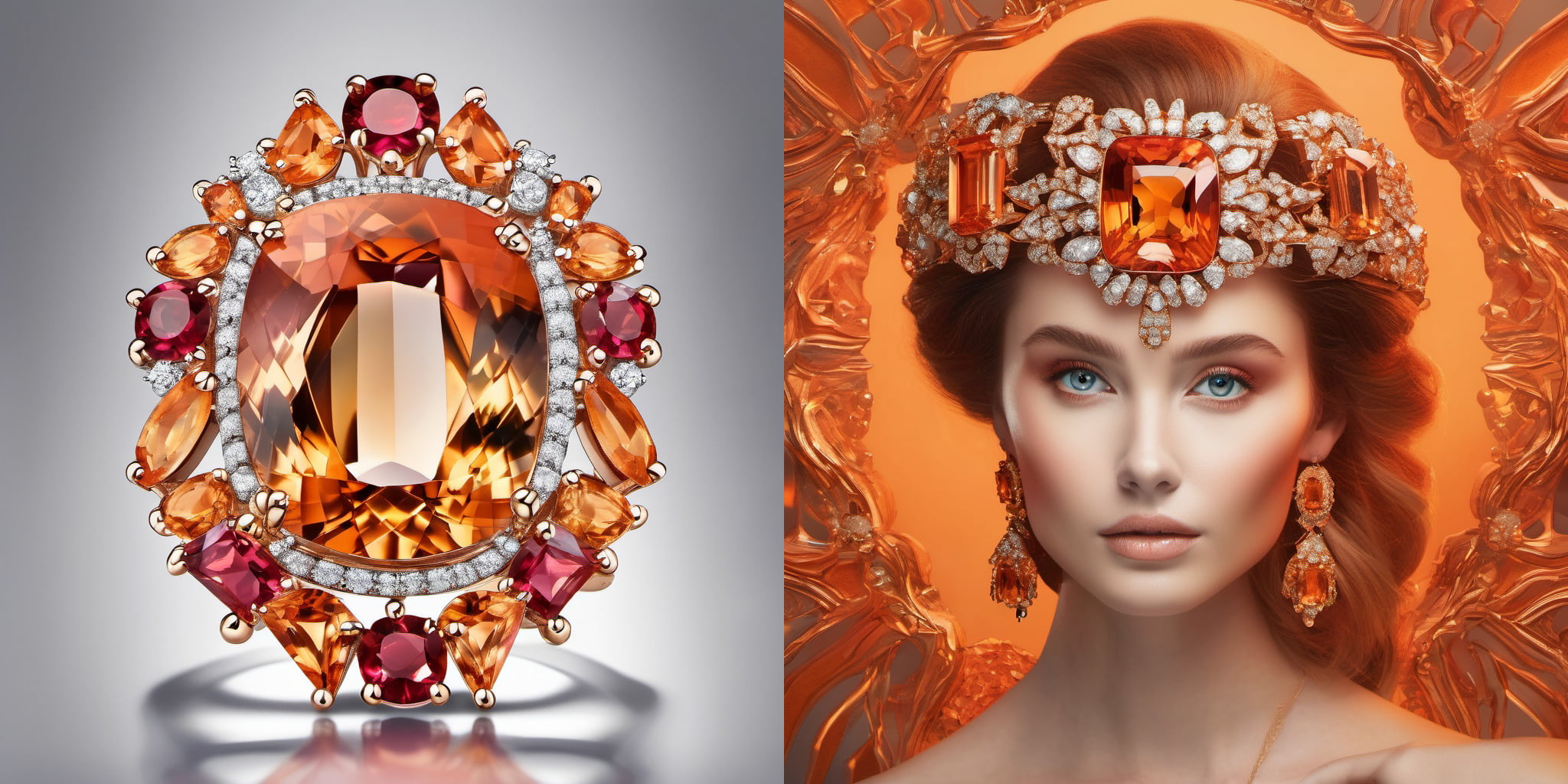
Orange Tourmaline Jewelry: A Complete Buyer’s Guide
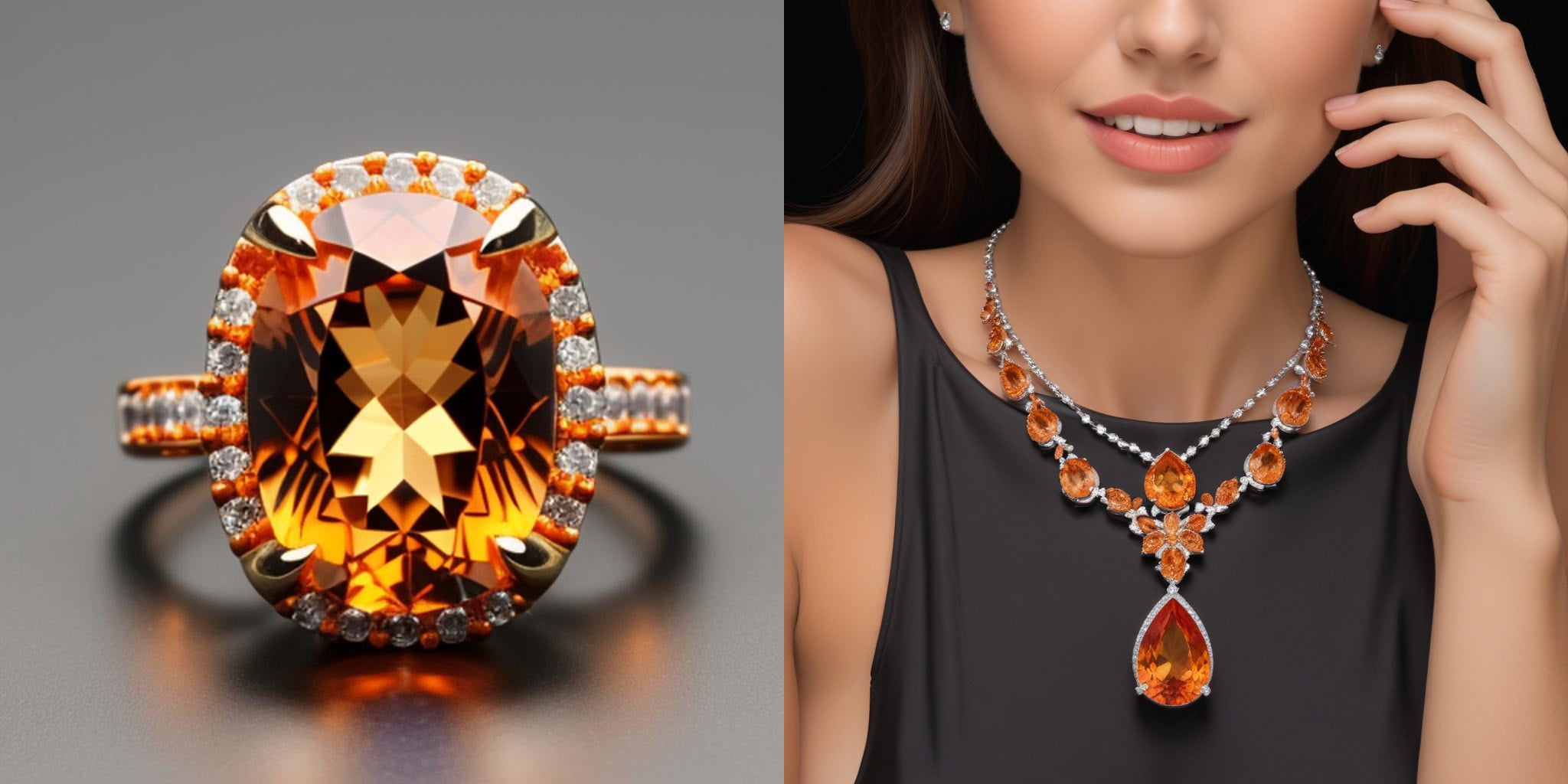
Orange Tourmaline Jewelry: A Complete Buyer’s Guide
Table of Contents
Orange tourmaline is one of the most striking-colored gemstones you can buy — its warm, vivid hue ranges from soft peach to deep copper-orange, and it holds its color exceptionally well in different lighting conditions. If you’re drawn to colored gemstone jewelry but want something less common than sapphire or emerald, orange tourmaline is worth understanding before you buy.
What orange tourmaline actually is
Tourmaline is a mineral group that occurs in almost every color of the spectrum. The orange variety gets its color from trace elements of manganese during formation. The most prized orange tourmalines come from Nigeria, Mozambique, and Brazil, where the deposits produce stones with the strongest saturation and clarity.
A specific variety called Mandarin Garnet is sometimes confused with orange tourmaline — they look similar but are different minerals entirely. Orange tourmaline is generally more available and more affordable than true Mandarin Garnet, which is rarer and commands significantly higher prices.
What makes a good orange tourmaline
Color saturation. The most valuable orange tourmalines have strong, even color with no brown or grey undertones that dull the appearance. Look for stones described as vivid or intense orange rather than brownish-orange or yellowish-orange.
Clarity. Unlike diamonds, colored gemstones are graded with different clarity expectations. Small inclusions in tourmaline are normal and acceptable — what matters is that inclusions don’t affect the stone’s transparency or structural integrity. Eye-clean stones (no inclusions visible to the naked eye) are preferable for rings and pendants worn daily.
Cut. Orange tourmaline is most commonly cut in oval, cushion, or emerald cuts, which maximize the stone’s color depth. Precision cutting matters — a poorly cut stone wastes color and brilliance.
Treatment. Most orange tourmalines on the market are heat treated to improve color, which is a standard, accepted industry practice that doesn’t significantly affect value. What matters more is whether the stone has been fracture-filled (a less stable treatment) — always ask when buying.
Best jewelry settings for orange tourmaline
Yellow gold complements orange tourmaline best — the warm metal tone enhances the stone’s richness rather than fighting it.
Rose gold also works beautifully, bringing out the peachy-pink tones in lighter orange stones.
White gold and platinum create a cooler, more contemporary contrast that suits darker, more intensely colored stones where you want the gem to stand alone.
For everyday wear, bezel or halo settings protect the stone better than high-prong solitaire settings, since tourmaline (while reasonably durable at Mohs 7-7.5) benefits from a protective border for daily use.
Know More 5 Romantic Sterling Steel Jewelry Stunning Ideas
What to expect to pay
Orange tourmaline varies significantly in price based on origin, color saturation, and size. Fashion-quality stones in silver settings start from $30-80. Fine quality orange tourmaline in 14K gold starts from $150-400 for smaller stones. Larger, high-saturation stones from premium origins can reach $500-2,000+ per carat.
Caring for orange tourmaline jewelry
Clean with warm water and mild soap using a soft brush. Avoid ultrasonic cleaners, which can damage stones with inclusions. Remove before swimming, heavy exercise, or household cleaning. Store separately from harder gemstones like diamonds and sapphires that could scratch the surface.
Share this content:




3 comments