
How to Clean Sterling Silver Jewelry at Home
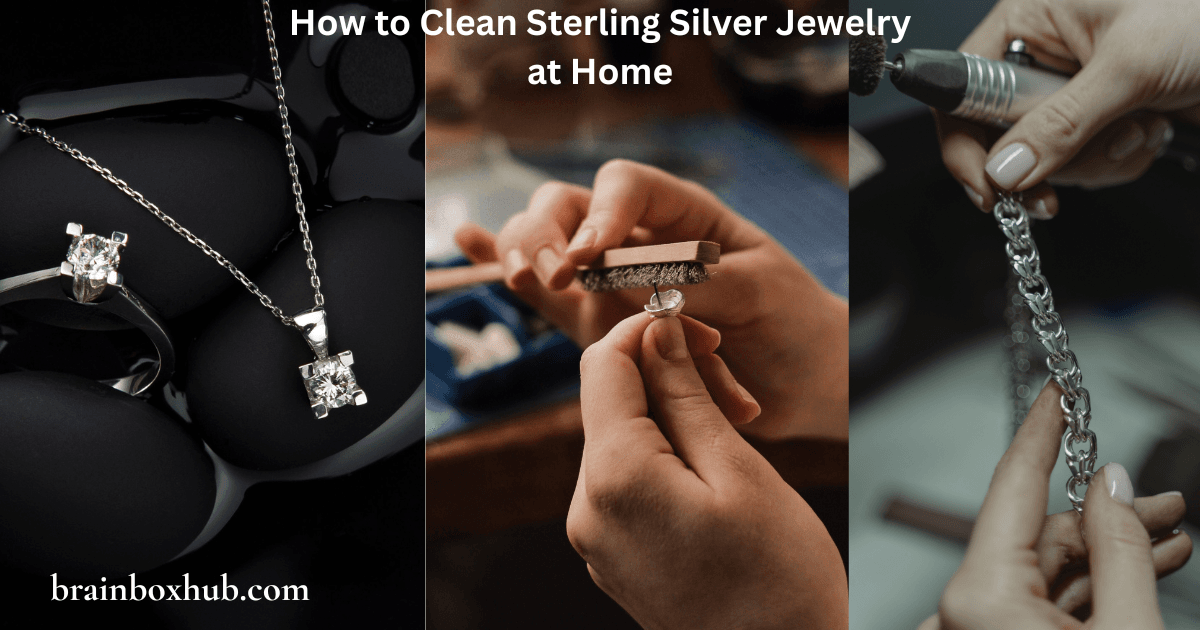

How to Clean Sterling Silver Jewelry at Home: 5 Methods Ranked
Table of Contents
Sterling silver tarnishes, it’s not a sign of poor quality, it’s simply what silver does. But cleaning it at home is faster and easier than most people think, and getting it right means the difference between restored shine and accidentally scratched or damaged pieces. Here are 5 methods ranked from gentlest to strongest, so you always use the right approach for how tarnished your piece actually is.
Why sterling silver tarnishes
Sterling silver is 92.5% pure silver mixed with 7.5% copper. That copper content reacts with sulfur compounds in the air, perfume, sweat, and household products to form silver sulfide, the dark grey or black coating called tarnish. It’s a surface reaction only and almost always reversible.
Tarnish develops faster in humid conditions, when jewelry is stored in open air, when it contacts perfume or lotions, and when it’s not worn regularly. Interestingly, silver worn daily often tarnishes less than silver left in a drawer, because regular gentle friction keeps the surface polished.
Method 1: Soft cloth wipe (for light tarnish or maintenance)
The simplest and safest method. Use a dedicated silver polishing cloth (available for $5-10) or any soft lint-free cloth. Rub gently in straight lines along the silver rather than circular motions, which can cause micro-scratches on polished surfaces over time.
Best for: Light tarnish, routine maintenance after wearing, pieces with gemstones where other methods aren’t safe.
Time: Under 1 minute.
Method 2: Warm water and mild soap (for everyday tarnish)
Fill a small bowl with warm (not hot) water and add a few drops of mild dish soap. Soak the piece for 2-3 minutes, then gently scrub with a soft toothbrush paying attention to crevices and around settings. Rinse under clean warm water and dry immediately and completely with a soft cloth.
Best for: General everyday tarnish on plain silver or silver with most gemstones. Avoid for pieces with porous stones like turquoise, opal, malachite, or pearls, use Method 1 instead.
Time: 5-10 minutes.
Method 3: Baking soda paste (for moderate tarnish)
Mix baking soda with a small amount of water to form a thick paste. Apply to tarnished areas with a soft cloth using gentle circular motions. Rinse thoroughly and dry immediately. Don’t leave the paste on for more than 1-2 minutes.
Best for: Moderate tarnish on plain silver pieces without stones. Baking soda is mildly abrasive, avoid on highly polished silver surfaces where fine scratches would be visible, and avoid entirely on pieces with gemstones.
Time: 5 minutes.
Method 4: White vinegar and baking soda (for heavy tarnish)
Mix half a cup of white vinegar with 2 tablespoons of baking soda in a bowl, it will fizz. Soak silver pieces in the solution for 2-3 hours. Rinse under cold water and dry thoroughly.
Best for: Heavily tarnished plain silver pieces. The mild acid in vinegar helps break down stubborn tarnish that soap and baking soda alone won’t shift.
Important: Do not use for pieces with gemstones, pearls, or antique pieces with patina (intentional darkening in recessed areas) that you want to preserve.
Time: 2-3 hours soaking, minimal active effort.
Method 5: Aluminum foil and baking soda (for severe tarnish)
This method uses an electrochemical reaction to transfer tarnish from silver to aluminum, it works remarkably well on severely darkened pieces.
Line a glass bowl with aluminum foil, shiny side up. Place silver pieces on the foil ensuring they touch it. Add one tablespoon each of baking soda and salt. Pour boiling water over everything until pieces are submerged. You’ll see small bubbling, this is the reaction working. Leave for 3-5 minutes, remove with tongs, rinse well, and dry completely.
Best for: Severely tarnished plain sterling silver. The most effective method for stubborn tarnish.
Do not use for: Pieces with gemstones, pearls, glued components, or antique pieces with intentional patina. The heat and chemical reaction can damage these.
Time: 10 minutes total.
What to avoid (common mistakes that cause damage)
Toothpaste – too abrasive for silver, causes micro-scratches over time. A very common recommendation that most jewelers advise against.
Bleach or ammonia – these damage silver permanently.
Ultrasonic cleaners – safe for plain silver but can loosen stone settings in jewelry with gemstones.
Leaving pieces wet – always dry completely before storing. Moisture accelerates tarnishing and can cause water spots.
Rubber – rubber bands and rubber-lined drawers accelerate silver tarnishing due to sulfur compounds in rubber. Never store silver in contact with rubber.
How to slow down tarnishing between cleans
Store each silver piece in an individual anti-tarnish bag or wrap in anti-tarnish cloth. Keep a small piece of chalk or silica gel packet in your jewelry box to absorb moisture. Put jewelry on after applying perfume, lotion, and hairspray never before. Remove before swimming, showering, and cleaning. Wipe with a soft cloth after each wear to remove skin oils before they accelerate tarnishing.
Share this content:



Post Comment